Showing posts with label Thinking Activity. Show all posts

Sunday, February 9, 2025

"The Joys of Motherhood" by Buchi Emecheta

 Hello Everyone,😊


This blog is part of thinking activity assigned by Megha Ma'am. 


Introduction:

Buchi Emecheta’s The Joys of Motherhood is a poignant exploration of the emotional and social consequences of motherhood in traditional Nigerian society. Through the life of Nnu Ego, a woman who devotes her entire existence to her children, Emecheta highlights the intense pressures placed on women to fulfill their roles as mothers, a role defined by cultural and patriarchal expectations. Set in colonial Nigeria, the novel explores how societal conditioning limits women’s agency, confining them to lives of sacrifice and emotional neglect. By applying feminist theory to Nnu Ego’s experiences, the novel questions the value society places on motherhood and challenges the notion that women’s fulfillment is solely linked to their roles within the family.
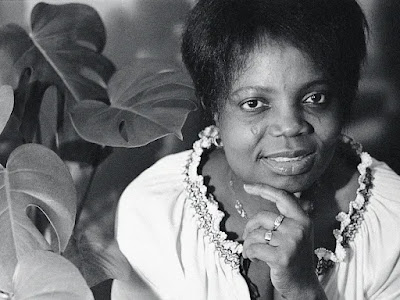

About Buchi Emecheta:


Buchi Emecheta was a Nigerian-born British writer who became well known for her powerful novels about the struggles of women, especially African women, in society. She was born on July 21, 1944, in Lagos, Nigeria, and moved to London, England, at a young age. Her life was not easy—she faced many personal hardships, including raising five children on her own after leaving an unhappy marriage. Despite these challenges, she studied and became a successful writer. Her novels often focus on themes like motherhood, gender roles, education, colonialism, and the importance of independence for women. Some of her most famous books include Second-Class Citizen, The Joys of Motherhood, and The Bride Price. Through her writing, Buchi Emecheta gave a strong and honest voice to African women, showing the realities of their daily lives and the silent sacrifices they make. She passed away in 2017, but her work continues to inspire readers around the world.


About The Joys of Motherhood by Buchi Emecheta:


The Joys of Motherhood by Buchi Emecheta is a novel that tells the emotional and challenging story of a Nigerian woman named Nnu Ego. The book is set in colonial Nigeria and explores how traditional expectations of motherhood affect women’s lives. Nnu Ego grows up believing that her worth as a woman depends on becoming a mother and raising many children, especially sons. She dedicates her whole life to her family, working hard and making many sacrifices with the hope that her children will take care of her in the future. However, as the years pass, Nnu Ego realizes that motherhood does not bring her the joy she imagined. Instead, she faces loneliness, poverty, and disappointment, as her children grow up and leave her behind. Through this story, Buchi Emecheta shows how society places heavy pressure on women to give everything to their families without thinking about their own happiness. The novel questions the idea that motherhood is always joyful and highlights the emotional pain many women silently go through. It also shows the clash between traditional African values and the changes brought by colonial rule and modern life. In the end, Nnu Ego's story gives a strong voice to women and makes us think about how we value their roles in family and society.


  • Q) The basic narrative lends itself toward neo-feminism. The main female characters struggle to shed the conditioning that forces them to act out roles that bring little fulfillment. With reference to this, study The Joys of Motherhood by applying a feminist theory.

Answer: 

The novel The Joys of Motherhood by Buchi Emecheta offers a powerful narrative that aligns with neo-feminist concerns, particularly the ways in which women struggle to shed the societal conditioning that forces them into roles that bring little fulfillment. Through the central character of Nnu Ego, Emecheta critiques traditional gender roles, the patriarchal structures that uphold them, and the emotional and physical tolls women endure under these expectations. By applying feminist theory to the novel, we can better understand how female characters are trapped by cultural norms and how they attempt to break free from them.

Gender Roles and Cultural Conditioning

In traditional Igbo society, where the novel is set, a woman's worth is closely tied to her ability to bear children, especially male children. From childhood, girls are taught that their future lies in becoming wives and mothers. This cultural belief is deeply rooted and rarely questioned. Nnu Ego, the central character, internalizes these expectations. She believes that her happiness and purpose will only be fulfilled through marriage and motherhood. When she fails to conceive in her first marriage, she is returned to her father’s home in shame, as if her inability to give birth is a personal failure rather than a health issue or something beyond her control. This point reflects feminist concerns about how patriarchal cultures define women based on their roles within the family and their biological functions. Women are not valued for their personalities, intelligence, or dreams, but for how well they can serve as wives and mothers.


Patriarchy and Emotional Sacrifice

Nnu Ego’s second marriage to Nnaife highlights how patriarchy traps women in emotional, physical, and economic servitude. Although she bears several children for him, her life is filled with hardship, sacrifice, and emotional neglect. Nnaife makes no effort to understand her struggles, and when he takes a second wife, Nnu Ego is expected to accept it without complaint. She shoulders all responsibilities for childcare and household management, often going hungry to feed her children. Despite these efforts, she receives little to no appreciation. Feminist theory examines how patriarchy takes women’s labor for granted and silences their voices within the home. Women are expected to give up everything for the family and find joy in it, even when their own needs remain unmet. This emotional sacrifice becomes invisible under the label of “a mother’s duty.”


The False Promise of Motherhood:


Throughout the novel, Nnu Ego strongly believes that bearing and raising children will bring her lasting happiness and respect. She sees her children as a source of pride and security in her old age. This belief drives her to work tirelessly and suffer silently. Yet, by the end of the story, her sons are distant and concerned only with their own lives. They leave her alone, and she dies in isolation.

“Every morning neighbours could hear her calling: ‘Oshia, Adim, twins, wake up and let us go to the waterside!’... She would count her money, put aside her little profits for the food bill and go to sleep. The same pattern repeated each day.”​

 This narrative challenges the common belief that motherhood is the ultimate and most joyful role for a woman. Emecheta uses Nnu Ego’s life to question this ideal. Feminist thought supports the idea that motherhood should be a choice, not a forced expectation. When society pushes women to believe that motherhood is the only path to fulfillment, it ignores the real emotional and physical burdens mothers carry. Nnu Ego’s tragic ending reveals how these romanticized ideas can lead to deep loneliness and disappointment.


The Burden of Economic Dependence &  Independence: 

Women in The Joys of Motherhood are economically dependent on their husbands or sons. Nnu Ego's lack of formal education and limited opportunities means that she must rely on petty trading to feed her large family. Although she works long hours selling food items on the streets of Lagos, she never gains any financial security. Her money is spent immediately on school fees, food, and healthcare. Nnaife contributes little and often spends time drinking or being absent. This economic dependency keeps women trapped and powerless. Feminist analysis explains that patriarchy and capitalism work together to exploit women's labor while denying them control over resources. When women are not allowed to earn or keep their own money, they have no freedom to leave unhappy marriages or make decisions for themselves. Nnu Ego’s life is an example of how economic vulnerability can deepen gender inequality.

Double Oppression under Colonialism

Emecheta also shows how colonialism adds another layer of oppression for women. Under British colonial rule, the traditional Igbo systems of justice, community, and gender balance are disrupted. The men in the novel, like Nnaife, lose their traditional roles as providers and leaders. Rather than challenging colonial power, they assert control over their wives in the home. This makes life even harder for women like Nnu Ego, who are expected to obey their husbands while dealing with the pressure of surviving in a foreign, urban setting like Lagos. Postcolonial feminist theory explains how colonialism often made patriarchy more severe in colonized societies. European systems brought new laws, religions, and moral standards that further controlled women’s bodies and choices. In this way, Nnu Ego is not only a victim of male dominance in her culture but also of the larger forces of colonial rule that reshaped her society without considering women’s voices or needs.


 Women Who Challenge the System:


One of the most important feminist moments in the novel is found in the character of Adaku, Nnu Ego’s co-wife. Unlike Nnu Ego, Adaku refuses to accept a life of struggle and disrespect. When she realizes that having daughters and not sons means she will never be respected in the household, she makes a bold decision to leave Nnaife. She chooses to start her own business and live independently with her daughters. Adaku believes that financial independence is more important than being a submissive wife. 


“By the time Adaku had used her share of Nnaife’s money to establish herself at Zabo market, Nnu Ego knew she could delay her journey home no longer.”​

Her actions represent a break from tradition and a move toward modern, empowered womanhood. Neo-feminist ideas often support this kind of self-determined choice, where women step outside traditional roles and demand respect on their own terms. Adaku’s character shows that even in a deeply patriarchal society, there are women who are brave enough to challenge the rules and rewrite their futures.


Role of Education in Empowerment

Adaku’s decision to educate her daughters marks an important turning point in the novel. She understands that education is a key to freedom and a better life. Nnu Ego, on the other hand, spends her entire life trying to educate her sons, believing they will care for her in the future. But her sons eventually forget her. This contrast shows how education can be used not just to support traditional male success, but to empower girls and women to live independently. Feminist theory sees education as one of the most powerful tools for challenging patriarchy. Educated women are more likely to demand equal rights, make informed decisions, and raise the next generation with awareness. Adaku’s choice to educate her daughters instead of marrying them off early is a quiet but powerful act of feminist resistance.


Female Solidarity and Support Systems

In urban Lagos, the women of the Ibuza community create a support network for themselves. They help each other through childbirth, sickness, financial hardship, and emotional stress. These women share resources, advice, and emotional comfort in the absence of strong male support. This kind of female solidarity becomes a survival strategy in a world that offers them little else. Feminist thinkers believe that such sisterhood is a powerful way for women to gain strength. When women come together and support one another, they are able to resist oppression in small but meaningful ways. Emecheta presents these communal bonds as essential to women’s lives, showing that although they may not have much power individually, their shared experiences create a sense of belonging and resilience.


Women Who Uphold Patriarchy

The novel also presents women who support and reinforce patriarchal values. Characters like Adankwo, a senior wife in the family, criticize Adaku for stepping out of traditional roles. She believes a woman’s duty is to serve her husband and bear sons, even if it means suffering. Another character, Agunwa, looks down upon Ona, a strong-willed woman who chooses not to marry and refuses to let a man control her. These women show how patriarchy continues not only through men but also through the beliefs and actions of other women. Feminist theory recognizes this as internalized patriarchy. Sometimes, women are so deeply conditioned by societal norms that they begin to enforce those same norms on others. These characters remind readers that change can only come when both men and women challenge unjust traditions.


Sexual Objectification and Polygamy

In the polygamous system shown in the novel, women are often treated as property. Men like Agbadi and Nnaife take multiple wives without giving them equal respect or attention. The women are valued mainly for their ability to bear children and satisfy male desires. Nnu Ego experiences this when she is married off like an object and later expected to quietly accept her husband taking another wife. The emotional pain and jealousy she feels are ignored because society sees polygamy as normal. Feminist thinkers highlight how such systems reduce women to their bodies and roles, denying them emotional complexity and individual worth. Polygamy in the novel is not about love or partnership but control and possession. This leads to feelings of bitterness, competition, and sorrow among the wives, instead of mutual support and equality.


Final Message of the Novel:

By the end of the novel, Nnu Ego’s life story delivers a powerful message. She has followed all the rules society gave her. She has been a devoted wife, a caring mother, and a hardworking woman. She has suffered and sacrificed everything for her children. Yet, she dies alone and unappreciated. This ending forces readers to question the systems and values that define a “good woman.”


“God, when will you create a woman

 who will be fulfilled in herself, 

a full human being, not anybody’s appendage?”

 she prayed desperately.​"

 Emecheta does not completely reject motherhood. Instead, she asks readers to rethink how society treats mothers and what it truly means to be a fulfilled woman. Feminist theory supports this view by asking society to value women not just as mothers or wives but as human beings with dreams, desires, and dignity. Nnu Ego’s story encourages future generations of women to find their own paths and not let others define their worth.


  • Q) Nnu Ego dies, at the end of the story, a lonely death “with no child to hold her hand and no friend to talk to her. She had never really made many friends, so busy had she been building up her joys as a mother” justify this statement by giving illustrations from the novel.

Answer:

Nnu Ego’s lonely death at the end of The Joys of Motherhood is a poignant reflection of her life, shaped by societal expectations and the ideals of motherhood that left her isolated and emotionally abandoned. She dies “with no child to hold her hand and no friend to talk to her,” a stark image that encapsulates the tragic consequences of her complete devotion to the role of mother, a role defined by patriarchal beliefs and cultural myths. This statement is not just a summary of her end but a powerful comment on the cost of unconditional maternal sacrifice and the unrealistic expectations placed on women. Nnu Ego’s tragic end serves as a critique of the institution of motherhood, which demands selflessness but provides no reciprocal care for women when they are no longer seen as valuable.

Nnu Ego’s Early Life and the Imposition of Patriarchal Values

Nnu Ego’s journey into motherhood is deeply rooted in the patriarchal values of her society, which dictate that a woman’s worth is tied to her ability to bear children. From the beginning of the novel, she is made to understand that her value as a woman lies solely in her role as a mother. Her first marriage, in which she fails to conceive, brings shame not only to herself but also to her family. Nnu Ego’s inability to bear children results in her social rejection, as she feels like a failure in the eyes of her husband, society, and even her own family.

In her second marriage to Nnaife, Nnu Ego’s desire to prove her worth and secure her place in society drives her to accept a man she does not love. She marries him primarily for the possibility of children, believing that motherhood is her only path to fulfillment. As Himakshi Kashyap points out, women like Nnu Ego are seen through the lens of “reproductive power,” where their identity is defined not by their individuality but by their ability to produce offspring. This expectation forces Nnu Ego into a life where her desires are secondary to the societal pressures placed upon her to become a mother.

The Illusion of Joy in Motherhood:

“She saw him, her baby Ngozi, lying there where she had laid him only a short while before, dead. Stone dead.”

Once Nnu Ego becomes a mother, she invests her entire being into raising her children, particularly her sons. She spends long hours in the markets, selling firewood and cigarettes, hoping that the sacrifices she makes will eventually lead to rewards in the form of respect, loyalty, and care from her children. She believes that her efforts will be repaid when she grows old, as her sons will take care of her in her declining years. This belief is rooted in the traditional Igbo expectation that children, especially sons, owe their parents care and respect in their old age.

But Nnu Ego’s devotion does not bring the rewards she anticipates. Despite her sacrifices, her children—particularly her sons—abandon her when they have the chance. Oshia, the son she placed her hopes on, moves to the United States and fails to communicate with her. Adim follows suit and moves to Canada. They do not send money, nor do they ever visit. Their abandonment represents a profound betrayal, shattering the traditional belief that children will care for their mothers as they age.

The novel’s title, The Joys of Motherhood, is a deliberate irony. Emecheta uses it to critique the idealized vision of motherhood as a fulfilling and joyful experience. For Nnu Ego, motherhood is a burden rather than a blessing. Her life is consumed by the expectations of her children’s success, yet they remain emotionally distant and disconnected from her. As Marie A. Umeh notes, Nnu Ego’s sacrifices, though meant to forge a bond of love and loyalty, ultimately prove futile, as “children do not always maintain strong and loving ties with their mothers.”

The Betrayal by Her Children and Emotional Isolation:

One of the most heartbreaking aspects of Nnu Ego’s life is the emotional abandonment she faces in her later years. Her children, particularly the sons she sacrificed so much for, are no longer part of her life. Despite all her efforts to raise them with love and care, they leave her to live their lives in the West, far removed from their mother’s world. This abandonment is not only an emotional blow to Nnu Ego but also a direct challenge to the societal expectations that children, especially sons, are obligated to care for their parents in their old age.

“He is no longer my son… Out of my house!” Nnaife shouted. Nnu Ego watched her son leave for the United States with dry eyes and thought, “She was not destined to be such a mother.”​

Nnu Ego’s emotional isolation is compounded by the fact that her daughters, who are still physically present, are not seen as suitable caregivers in a patriarchal society. It is the sons who are expected to fulfill this duty, and when they fail to do so, Nnu Ego is left with no one to support her in her time of need. This gender bias, deeply ingrained in Igbo society, places the responsibility of caring for the family’s honor solely on the sons. Yet, as the novel demonstrates, these very sons—who were the object of Nnu Ego’s sacrifices—turn their backs on her when she needs them the most.

The Lack of Friendships and Personal Fulfillment

The statement that Nnu Ego “had never really made many friends” is critical to understanding her ultimate loneliness. Throughout her life, Nnu Ego is so absorbed in her role as a mother that she neglects the possibility of forming meaningful relationships with other women or creating a support system. She devotes herself entirely to her children and husband, but in doing so, she denies herself the joy of friendship and personal connection. In a world where women are taught to find fulfillment solely in motherhood, Nnu Ego’s lack of friendships reflects a broader societal issue. As Kashyap observes, women like Nnu Ego are not allowed the opportunity to explore their own desires or to establish their own identities apart from their familial roles.

By the time she reaches the end of her life, Nnu Ego is isolated not only from her children but also from any emotional support network. She has no friends to turn to, no confidantes to share her grief with, and no one to hold her hand in her final moments. This isolation highlights the cost of living a life entirely devoted to others.

The Symbolic Meaning of Her Death

Nnu Ego’s lonely death, far from her children and devoid of the care she had longed for, is a tragic culmination of her life’s sacrifices. Her death symbolizes the futility of a life spent in service to others without any recognition or support. Nnu Ego’s life and death expose the false promises made by society about the rewards of motherhood. The idealized image of the selfless, devoted mother is ultimately hollow, as women like Nnu Ego are left to suffer in silence once they no longer fulfill their expected roles.

As Umeh writes, Nnu Ego “has very little to show for her protracted years of maternal servitude.” She dies not because she failed as a mother but because the patriarchal system that glorified her role also failed to support her when she needed it the most. The society that exalted her sacrifices during her child-rearing years abandoned her when she grew old, revealing the inherent contradiction at the heart of the institution of motherhood.

Nnu Ego’s death serves as a powerful critique of the patriarchal structures that define women’s roles and expectations. It challenges the myth of the “joys of motherhood” and exposes the emotional and social costs of blindly adhering to a system that demands self-denial and submission. Nnu Ego’s lonely death is a call to reexamine the true meaning of motherhood and the price that women like her pay for fulfilling societal expectations.


Conclusion:

In conclusion, The Joys of Motherhood is a powerful critique of the unrealistic expectations placed on women in patriarchal societies, particularly the idea that motherhood is the ultimate source of fulfillment and identity for women. Through Nnu Ego’s tragic journey, Emecheta underscores the emotional, physical, and economic sacrifices women make in the name of motherhood, and how these sacrifices often go unrecognized or unrewarded. The novel serves as a call for a broader understanding of women’s roles and highlights the importance of valuing women for their individuality, not just as mothers or wives. Ultimately, it challenges the traditional notion of motherhood as the sole path to a woman’s happiness, urging society to rethink its expectations and appreciate women’s contributions beyond their reproductive roles.


For further information visit this video: 


Thank you so much for visit 😀
 

References:


Emecheta, Buchi. The Joys of Motherhood. Penguin Classics, 1 Sept. 2022. ISBN 978-0-241-57813-1.

Kashyap, Himakshi. "Tracing Female Subversion in Buchi Emecheta’s The Joys of Motherhood." International Journal of English Literature and Social Sciences, vol. 6, no. 5, 2021, pp. 342–345. IJELS, https://ijels.com/detail/tracing-female-subversion-in-buchi-emecheta-s-the-joys-of-motherhood-reading-motherhood-as-a-patriarchal-institution/.​ Accessed 08 Feb. 2025.

Umeh, Marie A. "A Comparative Study of the Idea of Motherhood in Two Third World Novels." CLA Journal, vol. 31, no. 1, 1987, pp. 31–43. JSTOR, https://www.jstor.org/stable/44325604. Accessed 08 Feb. 2025.

Vallath, Dr. Kalyani. "The Joys of Motherhood - NET | SET | African Literature Series Part XIX." YouTube, uploaded by Vallath TES, 1 Feb. 2025, https://youtu.be/XJZ5V44bfB4. Accessed 08 Feb. 2025.

Wednesday, January 29, 2025

Gun Island | Flipped Learning Activity

Gun Island | Flipped Learning Activity

Hello Everyone,😊


This blog post is part of a flipped learning task given by Dr. Dilip Barad Sir. For this task, we need to watch videos about the novel Gun Island (2019) by Amitav Ghosh, write a summary of each video, and complete worksheets.

For Teacher’s blog : Click here


For Task : Click here


Worksheets for Flipped Classroom Activities


Worksheet 1


1. Is Shakespeare mentioned in the novel? Or are his plays referred in the novel?


Yes, Shakespeare is mentioned three times in the novel. The first reference discusses the historical background of Shakespeare's Venice.

Cinta explains that a real-life counterpart of Shylock would have lived in Venice's Jewish quarter, which existed from 1541 when the Venetian Republic passed a law allowing Jews to settle in the city, but with restrictions. They were required to wear distinctive clothing, avoid interactions with Christians, and live on a separate island in the city's interior.

The second reference highlights that Shakespeare set two of his plays in Venice, as it was the only suitable setting for characters like Shylock and Othello.

The third reference comes in the chapter titled 'Friends,' where Shakespeare's influence is evident in the themes explored in his plays.


2. What is the role of Nakhuda Ilyas in the legend of the Gun Merchant.  


In Amitav Ghosh's "Gun Island," the term nakhuda, meaning both "ship owner" and "ship's captain," reflects its historical use in Indian Ocean trade. Nakhuda Ilyas, a key figure in the Gun Merchant's legend, is shown as a brave and loyal protector. He rescues the Gun Merchant from pirates and accompanies him on a dangerous journey, facing challenges like "poison-spitting monsters" and a "burning wind." These dangers symbolize the fragility of human life and the impact of natural disasters. Through Nakhuda Ilyas, the story connects history with the modern issues of environmental change, highlighting resilience and survival.


3. Characters in one column and their profession in another. 


Character

Profession

Dinanath Dutta

Dealer in rare books

Bonduki Sadagar

Merchant

Cinta Schiavon

Historian/ Scholar of Venetian History

Piya Roy

Marine Biologist

Nakhuda 

Sea Captain

Manasa Devi

Hindu Goddess of Snakes (Mythological figure)


4. Write the name of relevant character.


Character

Trait

Cinta Schiavon

Believer in mystical happenings & presence of the soul of dead people

Piya Roy

Rationalizes all uncanny happenings

Dinanath Dutta 

Skeptic who is in-between but slightly towards center-right.


 5. What sort of comparison between the book and the mobile is presented at the end of the  novel?


In Gun Island, the novel compares books and mobile phones to show the difference between old ways of connecting and modern technology. Books, especially ones about myths and history, offer deep knowledge and take us to different worlds, like when the Gun Merchant sees Manasa Devi in a book. This shows how books can connect us to the past and even challenge our understanding of reality. The mention of an old palm-leaf manuscript reminds us that books also link us to ancient cultures.

On the other hand, mobile phones represent fast, easy communication. Through Piya’s mobile phone, characters like Dinanath can talk to each other instantly, no matter the distance. The use of emails and Internet services lets people connect quickly and exchange information, making it easier to stay in touch and act on things right away. This shows how modern technology allows us to communicate in real-time, something books can't do.

In the end, the novel shows that both books and mobile phones help us connect, but in different ways. Books give us a deeper connection to the past and make us think, while mobile phones let us connect instantly with people all over the world. Both are ways we share stories, but they represent how communication has changed over time.


6. Tell me something about Amitav Ghosh’s novel Gun Island in 100 words.


Amitav Ghosh's Gun Island follows the journey of Deen, a Bengali-American rare book dealer, who embarks on a quest linked to a legendary story from the Sundarbans. The novel intertwines history, myth, and climate change, exploring migration, environmental destruction, and the effects of global warming. Through a web of characters and their encounters with nature’s forces, such as cyclones and floods, Ghosh delves into the intersection of human lives and ecological shifts. The story connects the ancient past with the present, exploring how modernity and climate crises impact identity, memory, and survival.


7. What is the central theme of Amitav Ghosh’s novel ‘Gun Island’?


The central theme of Gun Island by Amitav Ghosh revolves around the intersection of migration, climate change, and human connections. The novel explores how environmental disasters and changing climates are influencing migration patterns, with characters like Deen and Piya experiencing the impacts of natural calamities, such as floods, cyclones, and rising sea levels.

It also delves into the tension between the ancient and modern, as well as the mythological and the real. The story intertwines the historical journey of the Gun Merchant with the present-day struggles of the characters, reflecting on the consequences of human actions on the environment. Through themes of cultural heritage, the novel also examines how myths, history, and modern technology converge, impacting identity and human relationships.

The climate change angle is key, as it underscores the environmental crisis driving displacement and the search for a new sense of belonging in an increasingly unstable world. Additionally, the novel highlights how ancient myths and modern technologies are part of the same global discourse on survival and adaptation.


Worksheet: 2:


1. Write 10-12 words about climate change in the novel. Mention number of times they recur.

Climate change in the novel:


No.

Word

No of time word appears

1.

Cyclone

16

2.

Strom

1

3.

Flood

20

4. 

Drought

9

5. 

Whether

35

6.

WildFire

17

7.

Calamities

2

8. 

Tsunami

3

9.

Volcano

3

10.

Tufaan

1

11.

Earthquake

2

12.

Global Warming

1

13.

Temperature

2

14.

Green House

1

15.

Smoke

23


2. Explain the title of the novel.


The title Gun Island in Amitav Ghosh's novel carries significant symbolic meaning, interweaving history, mythology, and the global implications of climate change and migration.

The term "Gun Island" refers to Bonduk-dwip (literally “Gun Island”), a mythical and secluded place that is central to the narrative of the Gun Merchant, who seeks refuge there to escape his past. In the context of the novel, the island becomes a space of both literal and metaphorical isolation. It symbolizes the way people and cultures are cut off by their personal histories, yet are constantly exposed to the forces of natural disasters and environmental changes, such as rising sea levels, floods, and cyclones.

The word "gun" in the title refers to conflict, especially relating to the colonial histories, trade, and weaponry associated with the island's myth. The Gun Merchant, as a character, is involved in a complex relationship with both his colonial past and the challenges he faces in the present. The island, being part of a story connected to gunpowder and war, alludes to the deep historical legacies of violence and colonial exploitation that shaped the lives of many characters in the novel.

The inclusion of the term "island" emphasizes isolation—both physical and emotional. Gun Island, as depicted in the novel, is a space where characters can reflect on their struggles and disconnections from the larger world. This motif of isolation also ties into the environmental theme, as islands like Gun Island are increasingly threatened by climate change, especially rising sea levels and environmental catastrophes.


Moreover, the novel draws attention to global interconnections, where the keywords “Venedig” (Venice) and “hazelnut” reveal complex historical trade routes and migration patterns. Venice, symbolizing the commercial and colonial history of Europe, contrasts with Bengal’s local myths and cultural practices, further highlighting the book's interweaving of global histories into the local and the mythical. So, the title Gun Island encapsulates the intersection of myth and history, colonial legacies, and environmental crises, inviting readers to explore how narratives of migration, violence, and survival are interwoven with the landscapes of both physical islands and the figurative "islands" that people create to escape their histories.


3.Match the characters with the reasons for migration.


Character

Reason for migration

Dinanath

Some uncanny sort of restlessness

Palash

To better socio-economic condition

Kabir and Bilal

Violence and riots – family fueds & communal reasons

Tipu and Rafi

Poverty

Lubna Khala and Munir

Natural calamities


4. Match the theorist with the theoretical approach to study mythology.

Theorist

Theoretical Approach

Bronislaw Casper Malinowski

Functionalism

Claude Levi-Strauss

Structuralism

Sigmund Freud

Psychoanalysis

Emile Durkheim & Jane Harrison

Myth and Ritual


5. Summary of the article: Towards a post(colonial)human culture: Revisiting Amitav Ghosh’s Gun Island as a fall of Eurocentric humanism by Saikat Chakraborty


To explore the article: Click here

Saikat Chakraborty’s article, "Towards a Post(colonial)human Culture: Revisiting Amitav Ghosh’s Gun Island as a Fall of Eurocentric Humanism," explores how Gun Island challenges the idea that Western knowledge and rational thinking are superior to other ways of understanding the world. The article explains that for centuries, European philosophers have separated humans from animals, considering non-European cultures as primitive or less developed. This way of thinking, known as Eurocentric humanism, justified colonialism by making it seem like Western civilization was bringing progress to "less advanced" societies.

In Gun Island, Amitav Ghosh pushes back against this idea by reviving an old Bengali folk tale about "Banduki Sodagar" (The Gun Merchant). The novel’s main character, Deen, is a Western-educated scholar who initially dismisses this myth as just a story. However, as he journeys through the Sundarbans, he starts to see the value in indigenous knowledge. His rational, Western mindset is repeatedly challenged by experiences that cannot be explained through science alone. A local boy, Rafi, plays a key role in this transformation. Unlike Deen, Rafi understands the symbols and stories of the region, proving that traditional knowledge is just as valuable as Western education.

The article also discusses how the Sundarbans serve as a "heterotopia"—a special space where the usual rules of knowledge and power do not apply. In this wild and unpredictable landscape, Deen loses his dependence on modern technology and reconnects with the wisdom of nature and local traditions. This shift symbolizes a rejection of colonial ways of thinking, showing that non-Western cultures have their own important knowledge systems that deserve recognition.


The article suggests that Gun Island imagines a future where different cultures and species are more connected, rather than separated by rigid hierarchies. By blending myth, migration, and environmental themes, the novel challenges Western dominance over knowledge and presents an alternative vision where human and non-human worlds coexist in harmony. Through this, Ghosh highlights the importance of indigenous stories and traditions in shaping a more inclusive and balanced understanding of the world.

6. Suggest research possibilities in Amitav Ghosh’s novel ‘Gun Island’.


  1. Climate Change and Environmental Displacement in Gun Island
  2. Myth and History in Contemporary Contexts in Gun Island
  3. Globalization and Migration in Gun Island
  4. The Role of Water in Gun Island
  5. Ecological and Human Interconnectedness in Gun Island
  6. Narrative Structure and Storytelling Techniques in Gun Island
  7. Impact of Technology on Human Interaction in Gun Island
  8. Cultural and Political Identity in Gun Island


7. Generate a sonnet on Amitav Ghosh’s novel Gun Island.

On Gun Island’s shores, where past and present meet,
A merchant’s curse in pages once was sown.
Through storm and flood, the winds of fate repeat,
As tides of change, to restless hearts, have shown.

From Sundarbans, the waters rise, the earth
A witness to the loss of lands once green.
With cyclone’s fury, whispers speak of birth,
Of gods and men whose lives in silence lean.

Yet modern hands, with mobile's fleeting glow,
Bridge distant lands, where voices still can rise,
In cities bright, where ancient rivers flow,
And distant voices call beneath the skies.

A tale of change, where myths and future blend,
The Gun Merchant’s curse may never end.

8. Multiple Choice Questions on Amitav Ghosh’s novel Gun Island.

1. What is the primary environmental concern explored in Gun Island? 


A) Overpopulation
B) Climate Change
C) Pollution
D) Deforestation


2. Which natural disaster is mentioned most frequently in the novel?


A) Earthquake
B) Tsunami
C) Cyclone
D) Flood

3. What is the significance of the character Manasa Devi in Gun Island?


A) She is a goddess who protects the environment.
B) She symbolizes the destructive force of nature.
C) She is a historical figure whose story connects the characters.
D) She represents ancient wisdom and supernatural power.

4. Which place is NOT directly referenced in Gun Island?


A) Sundarbans
B) Venice
C) Los Angeles
D) Tokyo

5. What role does technology, particularly mobile phones, play in the novel?


A) It highlights the disconnection between characters.
B) It symbolizes the modern tools of survival in the changing world.
C) It creates barriers between generations.
D) It is used for entertainment purposes.


9. With the help of Google Translate, write Hindi & English translation of 5 Italian words from the novel.

Italian

English

Hindi

Certo

Certainनिश्चित

Capisce

He understandsवह समझता है

Spettacolo

Showदिखाओ

Grazie

Thank youधन्यवाद
Ciao

 Hiनमस्ते


Summary of the videos:

Video: 1:


In this video, we can find the start of the plot. We come to know about the characters, the story of Bonduki Sadagar (Gun Merchant), the legend of Chand Sadagar and Mansa Devi, Mansa Devi’s shrine, and the development of the plot in its initial stages. The novel Gun Island (2019) by Amitav Ghosh explores themes of myth, history, climate change, and anthropocentrism. It belongs to the climate fiction (cli-fi) genre, which focuses on environmental concerns, a theme Ghosh also explored in The Great Derangement and The Hungry Tide. The story follows Dinanath Datta (Deen/Dino), a rare book and antiquities dealer who is financially struggling. He is fascinated by myths and folklore, and his journey begins when he learns about the legend of Bonduki Sadagar (Gun Merchant) from Nilima Bose. Though he resides in Brooklyn, the myth draws him toward the Sundarbans. His research also leads him to discussions with historian Giacinta Schiavon (Cinta). A significant theme in the novel is migration, symbolized through migratory birds, which reflects the movement of characters and the historical transitions shaping their lives.


During his journey, Dinanath meets Kanai Dutt (a character from The Hungry Tide), who mocks him and doesn’t respect his work. Another key character is Nilima Bose, who runs an NGO that helps poor, landless people in the Sundarbans. We also meet Piyali Roy (Piya), a marine biologist studying dolphin migration and beaching. The novel talks about the Bhola Cyclone (1970s), showing the damage caused by natural disasters, with a focus on climate change. It also introduces Mansa Devi’s shrine, a sacred site that survived the cyclone while the surrounding villages were destroyed. The shrine’s design is similar to Bishnupur temples and has symbols like snakes, guns, ships, and waterways.


The novel also introduces Tipu, the son of Moyna and Fokir, Fokir died helping Piya with her dolphin research. Piya helps Tipu study in the U.S., but he later gets involved with bad company. Another important character is Rafi, the grandson of a boatman who takes care of the Mansa Devi shrine. As Dinanath keeps researching, he doubts the myths about the shrine. However, the novel mixes reality with magical elements, making readers question what is real and what is myth. The story also moves to Italy, where Cinta shares a 20-year-old story about Mansa Devi, which encourages Dinanath to visit the shrine. As the story unfolds, a cobra bites Tipu, and he says, "Rani is in danger," referring to a dolphin named Rani. This moment adds mystery and suspense, leaving readers wondering if Tipu’s words are a product of imagination or a deeper connection to the events happening.


Video: 2: Characters and Summary - 2 | USA


In this video, the story delves into themes of memory, existence, and societal challenges, framed within the larger context of climate change, migration, and environmental crises. Memory serves as a link between the past and present, preserving the voices and dreams of the deceased, which ultimately shapes our current identities. The wildfires in Los Angeles, a prominent motif in the narrative, act as a powerful symbol of climate change’s far-reaching effects, illustrating that no one, regardless of wealth or social status, is immune to the devastation of environmental disasters.


The story follows Dino, who returns to Brooklyn after his journey to the Sundarbans. He learns about an academic gathering on climate change in Los Angeles, which sets him on a path to travel there by airplane. During the flight, he witnesses the massive wildfires burning below, and at the same time, he receives a suspicious email, which is later revealed to be from Tipu, adding an element of intrigue to the narrative. A key character in this story is Lisa, a researcher and entomologist studying bark beetles. She explains how global warming has caused these beetles to migrate, infesting forests and hollowing out trees, which then become more vulnerable to wildfires. Despite her crucial research, Lisa faces harsh criticism, public humiliation, and even death threats.


Her experiences highlight how society often rejects those who speak inconvenient truths, drawing a parallel to the historical witch hunts and emphasizing humanity's resistance to confronting environmental crises.

The narrative also delves into themes of migration and displacement. Cinta shares the story of a historical gun merchant who journeyed to several islands, including:

  • Gun Island (Venice),
  • Land of Palm Sugar Candy (Egypt),
  • Land of Kerechieves (Turkey),
  • Land of Chains (Sicily).


This journey, marked by attacks and his eventual sale in Goa, serves as a metaphor for the broader issue of migration and the human costs of displacement. This is further reflected in Dino’s own desire to travel to Italy for an expedition, which is made possible when Gisa, Cinta’s niece and a documentary filmmaker, invites him to assist with a Bangla translation project for her documentary on migration.


The story intertwines personal loss, environmental issues, and societal challenges. The wildfires symbolize the urgent threat of climate change, while Lisa's struggle highlights the difficulties faced by those raising awareness. Historical references, like the origin of "ghetto," show how the past and present are connected. It urges us to reflect on how these issues are interwoven and calls for empathy and collective action to address climate change.


Video: 3: Summary - 3 | Venice:


In the second part of Amitav Ghosh’s Gun Island, the story focuses on migration, climate change, and the connections between different cultures, blending personal experiences with larger social and environmental issues. Dinanath, the main character, is invited to Venice by an Italian scholar named Chinta, but he hesitates due to financial difficulties. Eventually, a documentary filmmaker named Giza offers him a paid job as a Bengali translator for Bangladeshi migrants working in Venice. As Dinanath gets involved with these migrants, he meets characters like Lubna Khala and Bilal, who face serious challenges, including displacement due to floods in Bangladesh, and exploitation in Venice’s job market. This highlights the global migration problem and the exploitation of migrant workers.'


The novel’s structure includes several themes, such as "The Ghetto," "Strandings," "Dreams," "Warnings," and "High Water," each of which explores Venice’s culture and the environmental issues threatening the city. Climate change is a major theme, especially the rising waters in Venice and the spread of invasive species like shipworms and spiders. The novel also criticizes industries like tourism and pharmaceuticals, which contribute to the exploitation of labor and the degradation of the environment. Ghosh connects this exploitation to the historical slave trade, showing how modern-day labor issues, especially for migrants, are linked to past injustices.


Dinanath reflects on the spiritual connection between Venice and Varanasi, viewing both cities as places of decay and mortality. These cities symbolize the fragility of human civilization. Throughout the story, Dinanath and Piya discuss the balance between scientific explanations and cultural myths. While Piya believes in rational, scientific reasons for events, Dinanath is drawn to the cultural beliefs that people use to make sense of the world, highlighting the tension between modern science and traditional ways of understanding life.

The novel also includes references to popular culture, such as the Netflix film Don’t Look Up, which connects the idea of climate crisis denial with capitalist exploitation. This comparison underscores the novel’s critique of the world’s refusal to address the environmental disaster unfolding around us. This section of Gun Island offers a rich exploration of personal and social issues, like migration, exploitation, and climate change, while also discussing how human and environmental crises are interconnected. The narrative critiques modern society’s approach to both human rights and ecological problems, urging a reconsideration of how we relate to the world around us.


Thematic Study:


Video: 1 :Etymological Mystery | Title of the Novel:


In this video, we can find that Amitav Ghosh’s novel Gun Island explores the theme of etymological mystery, showing how language shapes our understanding of the world. The discussion also touches on historification of myth, climate change, and migration, which will be covered later. Words change meaning over time when translated across cultures. The title Gun Island does not refer to firearms; "Gun" comes from the Venetian dialect and represents Venice. The character Chinta, a historian, helps uncover these hidden meanings, showing how words carry different meanings in different languages.


Some words in the novel have changed over time. "Ghetto" originally meant a foundry in Venice but later became known as a Jewish settlement. "Saudagar" in Bangla feels grand, while "merchant" in English feels ordinary. "Booth" (ghost) comes from the Sanskrit bhu, meaning to exist, connecting the supernatural with reality. The "Gun Merchant" is not an arms dealer but a traveler who visited Venice. The discussion also explains how Google Translate helps understand words but can distance people from traditional knowledge.


The video also explores possession and whether the past still exists in the present through memory and language. In Christian traditions, possession is seen as something negative, linked to demons, while other cultures see it differently. The novel connects this idea to historical inquisition practices, where people were punished for beliefs that did not fit religious norms. The discussion also links etymology to real-world problems like climate change and migration, using spiders moving due to global warming as a symbol of constant change.


This video helps us understand how Gun Island connects language, history, and myths. It shows how words evolve and how translation can change meanings. The novel makes us think about how language influences our view of the world and how history remains part of daily life. Through this, Amitav Ghosh reveals deeper connections between language, culture, and human experience.


Video 2: Part I - Historification of Myth & Mythification of History:


In this video, we can find a discussion on how Amitav Ghosh combines myth and history in Gun Island. The video explores how the myth of Mansa Devi, a gun merchant, is connected to real historical events such as human trafficking and migration. Ghosh shows that myths, often considered supernatural, actually reflect both the past and the present, offering insights into modern issues like climate change and human trafficking.


Symbols, like the hooded snake at Mansa Devi’s shrine, link the myth to historical and cultural identities. The protagonist, Deen, travels through real locations such as Venice and the Sundarbans, uncovering how the myth connects to actual world problems. Ghosh reinterprets the Bengali folktale Bonduki Sadagar (the Gun Merchant) to highlight themes of trade, migration, and survival, showing that myths can be grounded in historical truths.  We can find mention of four academic tools for studying myths:


  • Functionalism (Malinowski)
  • Structuralism (Lévi-Strauss)
  • Psychoanalysis (Freud)
  • Myth and Ritual (Durkheim, Harrison)

These theories help us understand that myths are not just made-up stories, but important tales that shape cultures, explain behaviors, and reflect both history and today's issues. By connecting modern problems like climate change and migration to the myth, Ghosh shows that myths are still relevant today. The symbols of snakes, storms, and human displacement represent how nature responds to human actions, blending myth with history. The novel suggests that myths change over time, offering important lessons about humanity's continuing struggles.


Video 3: Part II | Historification of Myth and Mythification of History:


The video is a sequel to the previous one, where we discussed the mythification of history and the historification of myth. In this video, we look at how Amitav Ghosh’s Gun Island connects the myth of Mansa Devi to modern issues like climate change and migration. The novel uses rituals, especially pilgrimages, to show how they represent human endurance and our deep connection to nature. Pilgrimages are symbolic of spirituality and resilience, and they’re tied to the myth of Mansa Devi, which originally helped explain these rituals. But now, Ghosh reinterprets this myth to speak about today’s ecological crises.

Through characters like Dinanath, Ghosh links the myth to real-world events like natural disasters and migration. Dinanath’s experiences reflect the hardships people face due to environmental changes, and the novel critiques issues like coal mining, which contribute to climate change. Ghosh suggests that the “anger of nature” seen in natural calamities is a direct result of human neglect and environmental damage. He uses the concepts of functionalism and collective effervescence to explain how rituals help communities cope and find meaning during times of crisis.


The idea of Sanskritization is also important here, as it shows how myths and rituals adapt over time to reflect changing cultural and ecological realities. Ghosh reinterprets the myth of Mansa Devi, moving away from the supernatural and using it to address the environmental challenges we face today. So, in Gun Island, myths are not just preserved traditions but also powerful tools for understanding and responding to modern global issues.


Video 4: Part III - Historification of Myth and Mythification of History:


In Part III of the series "Historification of Myth and Mythification of History", the discussion revolves around how colonialism has shaped the way Eastern and Western cultures perceive each other. Edward Said’s idea of Orientalism is central to this, which critiques how the West has historically portrayed the East as backward, inferior, and exotic. This idea is reflected in Gun Island, where characters like Dinanath, Kanai, and Nilima experience the lingering effects of colonialism on their identities.


Dinanath, who has spent time in the West, feels superior and influenced by Western ideals. Kanai challenges this attitude by mocking Dinanath, questioning his inflated sense of self. This dynamic highlights the tension between colonial influences and self-perception, as colonialism often shaped how people from the East viewed their own worth and identity in comparison to the West.


The novel challenges fixed cultural identities, showing that Eastern and Western perspectives are interconnected. Characters like Kanai and Nilima suggest these boundaries are fluid, reflecting Ghosh’s view that addressing global issues like climate change requires both Eastern wisdom and Western science. Ghosh also emphasizes the value of Eastern myths, suggesting they offer important lessons for modern issues like environmental crises and migration. By reinterpreting these myths, we gain insights into human behavior and societal struggles, advocating for a more interconnected and compassionate understanding of the past and present.


Video 5 : Climate Change | The Great Derangement:


In this video lecture, Amitav Ghosh's Gun Island is discussed as a response to the issues raised in his earlier work, The Great Derangement. Ghosh critiques the lack of attention to climate change in contemporary literature, which he refers to as "The Great Derangement." This term highlights the failure of modern stories to address the environmental crises of our time, leaving these issues out of mainstream narratives.


Gun Island combines myths with real-world events to highlight the pressing issue of climate change. The novel’s protagonist, Dinanath, experiences displacement and unpredictability, mirroring the struggles faced by many due to environmental upheavals. Ghosh uses myths like Mansa Devi and the Gun Merchant to bridge the past, present, and future, offering symbolic insights into the climate crisis. The blending of rational and mystical characters, such as Piali Roy and Chinta, allows Ghosh to engage both Eastern and Western audiences, challenging stereotypes about their respective cultures.


Ghosh also addresses the systemic forces behind climate change, including colonialism, capitalism, and industrialization. He critiques how Western industrial practices, such as coal mining, have exacerbated environmental degradation, and how colonial powers ignored traditional ecological knowledge that could have helped prevent the current crisis. Despite the grim realities of climate change, Ghosh’s work carries a hopeful message, advocating for collective action grounded in respect for nature, inspired by both religious and cultural practices. We can also find the novel's use of magical realism, drawing on elements like the uncanny to reflect the unpredictability of climate change. Through this, Ghosh urges a reimagining of how literature addresses climate issues, calling on both writers and readers to engage with the environmental challenges shaping our world.


Video 6: Theme of Migration | Human Trafficking | Refugee Crisis:


In this video, we explore the central theme of migration in Amitav Ghosh's Gun Island, which delves into the complexities of human displacement driven by environmental changes, socio-political issues, and economic struggles. The novel portrays migration not merely as a search for better opportunities but as a response to a range of crises, including climate change, war, poverty, and communal violence.


Ghosh uses the sinking city of Venice and the flood-prone Sundarbans as metaphors for the devastating effects of rising sea levels and environmental degradation. Characters such as Lubna Khala, who seeks refuge from rising waters, and Tipu and Rafi, who flee poverty, represent the struggles of real-life migrants forced to leave their ancestral lands. These personal stories reflect the harsh realities of migration, which is often a desperate attempt to survive or find hope in a world increasingly impacted by climate change.


The novel explores migration's connection to human trafficking and the refugee crisis, showing both humanitarian efforts and societal self-interest. Characters like Kabir, Bilal, and Palash reflect how economic and national priorities often outweigh migrant well-being. Gun Island presents migration as a recurring human experience shaped by environmental and socio-political crises, urging readers to adopt a more compassionate and inclusive perspective.

Thank you so much 😊

References :


Barad, Dilip. (2025). Flipped Learning Activity Instructions: Gun Island by Amitav Ghosh. 10.13140/RG.2.2.22082.49603. https://www.researchgate.net/publication/388143893_Flipped_Learning_Activity_Instructions_Gun_Island_by_Amitav_Ghosh. Accessed 28 Jan. 2025.


Barad, Dilip. Gun Island by Amitav Ghosh. 2022. https://blog.dilipbarad.com/2022/01/gun-island.html. Accessed 28 Jan. 2025.


DoE-MKBU. Characters and Summary - 1 | Sundarbans | Gun Island | Amitav Ghosh.” YouTube, 17 Jan. 2022, www.youtube.com/watch?v=Wn70pnUIK1Y.


DoE-MKBU. Characters and Summary - 2 | USA | Gun Island | Amitav Ghosh.” YouTube, 17 Jan. 2022, www.youtube.com/watch?v=DiYLTn7cWm8.


DoE-MKBU. Summary - 3 | Venice | Part 2 of Gun Island | Amitav Ghosh.” YouTube, 18 Jan. 2022, www.youtube.com/watch?v=8F3n_rrRG9M.


DoE-MKBU. “Climate Change | the Great Derangement | Gun Island | Amitav Ghosh.” YouTube, 21 Jan. 2022, www.youtube.com/watch?v=6_3tD4voebA.


DoE-MKBU. "Etymological Mystery | Title of the Novel | Gun Island | Amitav Ghosh.” YouTube, 19 Jan. 2022, www.youtube.com/watch?v=2Yg5RmjBlTk.


DoE-MKBU. “Migration | Human Trafficking | Refugee Crisis | Gun Island | Amitav Ghosh.” YouTube, 21 Jan. 2022, www.youtube.com/watch?v=jLeskjjZRzI.


DoE-MKBU. "Part I - Historification of Myth and Mythification of History | Gun Island | Amitav Ghosh.” YouTube, 21 Jan. 2022, www.youtube.com/watch?v=VBLsFEKLGd0.


DoE-MKBU. “Part II | Historification of Myth and Mythification of History | Gun Island | Amitav Ghosh.” YouTube, 23 Jan. 2023, www.youtube.com/watch?v=ZP2HerbJ5-g.


DoE-MKBU. “Part III - Historification of Myth and Mythification of History | Gun Island | Amitav Ghosh.” YouTube, 23 Jan. 2023, www.youtube.com/watch?v=rVLqxT_mUCg.


Ghosh, Amitav. Gun Island: A Novel. 2019.


Assignment of Paper 209: Exploring the Divergence Between Academic and Non-Academic Writing Styles

  Assignment of Paper 209: Exploring the Divergence Between Academic and Non-Academic Writing Styles: Personal Information:- Name :- Pallavi...